Tokenomics – Advanced & Analytical Version
The TBT token is the backbone of the Trading Battle ecosystem. It serves as both a utility token and a governance token, enabling gameplay, staking, rewards, and decision-making within the platform. This section details the token’s distribution, emission policy, deflationary model, incentive mechanisms, and sustainability metrics.
Token Overview
| Attribute | Details |
|---|---|
| Token Name | TBT (Trading Battle Token) |
| Token Type | Utility + Governance |
| Blockchain | Binance Smart Chain (BSC) |
| Total Supply | 1,000,000,000 TBT |
| Initial Circulating Supply | 100,000,000 TBT (10%) |
- Utility: Used for staking, gameplay, fees, and rewards.
- Governance: Token holders vote on proposals including new game modes, reward policies, ecosystem fund allocation, and economic adjustments.
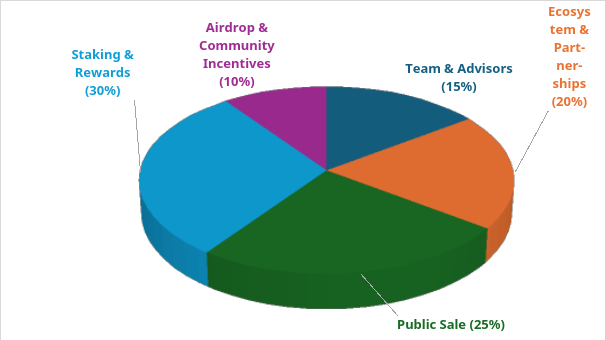
Token Allocation
| Category | Allocation | Purpose |
|---|---|---|
| Team & Advisors | 15% | Long-term incentive; vested over 4 years |
| Ecosystem & Partnerships | 20% | Development, marketing, strategic collaborations |
| Public Sale | 25% | Raise capital and provide initial liquidity |
| Staking & Rewards | 30% | Player engagement incentives |
| Airdrop & Community Incentives | 10% | Attract new users and reward early adopters |
Key Notes: Allocation is designed to balance long-term ecosystem growth, liquidity, and user incentives.
Vesting Schedule & Emission Policy
| Category | Initial Unlock | Vesting / Emission | Mechanism |
|---|---|---|---|
| Team & Advisors | 0% | 4 years linear release | Monthly unlocks |
| Ecosystem Fund | 5% | 36 months | Gradual release tied to milestones |
| Public Sale | 100% | Immediate | Circulating supply |
| Staking & Rewards | 0% | Dynamic | Distributed based on gameplay and engagement |
| Airdrop | 100% at claim | One-time unlock | Incentive distribution |
- Dynamic Emission: Staking and gameplay rewards adjust based on participation to control inflation.
- Inflation Target: ~5–8% annual inflation through controlled token emissions.
Burn Mechanism & Deflationary Model
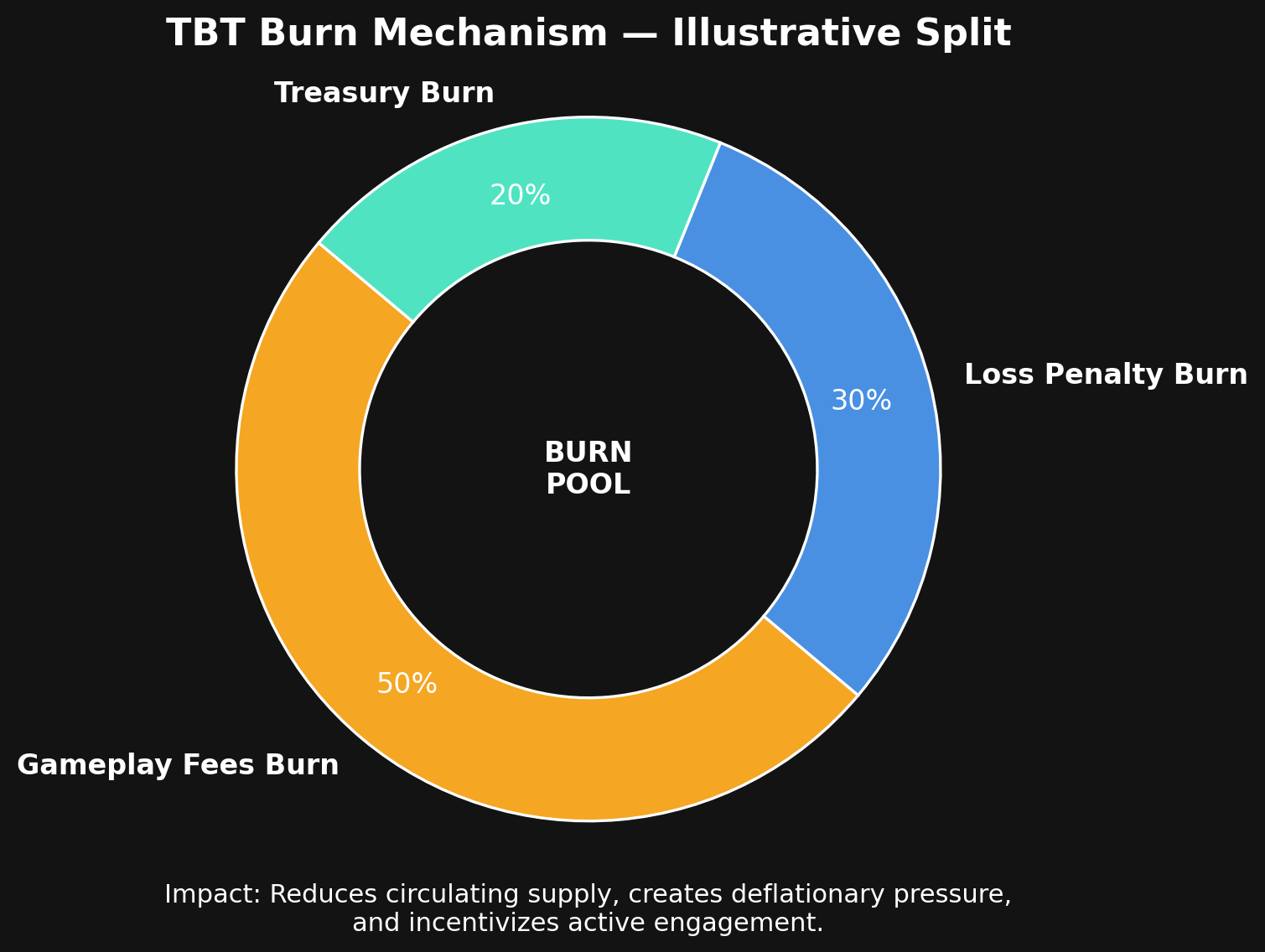
TBT implements multiple burn strategies to maintain scarcity and support long-term value:
- Gameplay Fees Burn: A percentage (e.g., 5%) of TBT spent on entry fees is burned automatically.
- Loss Penalty Burn: Tokens lost due to early exits or incorrect predictions are partially burned.
- Treasury Burn: Governance-controlled burn of ecosystem reserves to manage supply.
Impact: Reduces circulating supply, creates deflationary pressure, and incentivizes active engagement.
User Incentives & Reward Structure
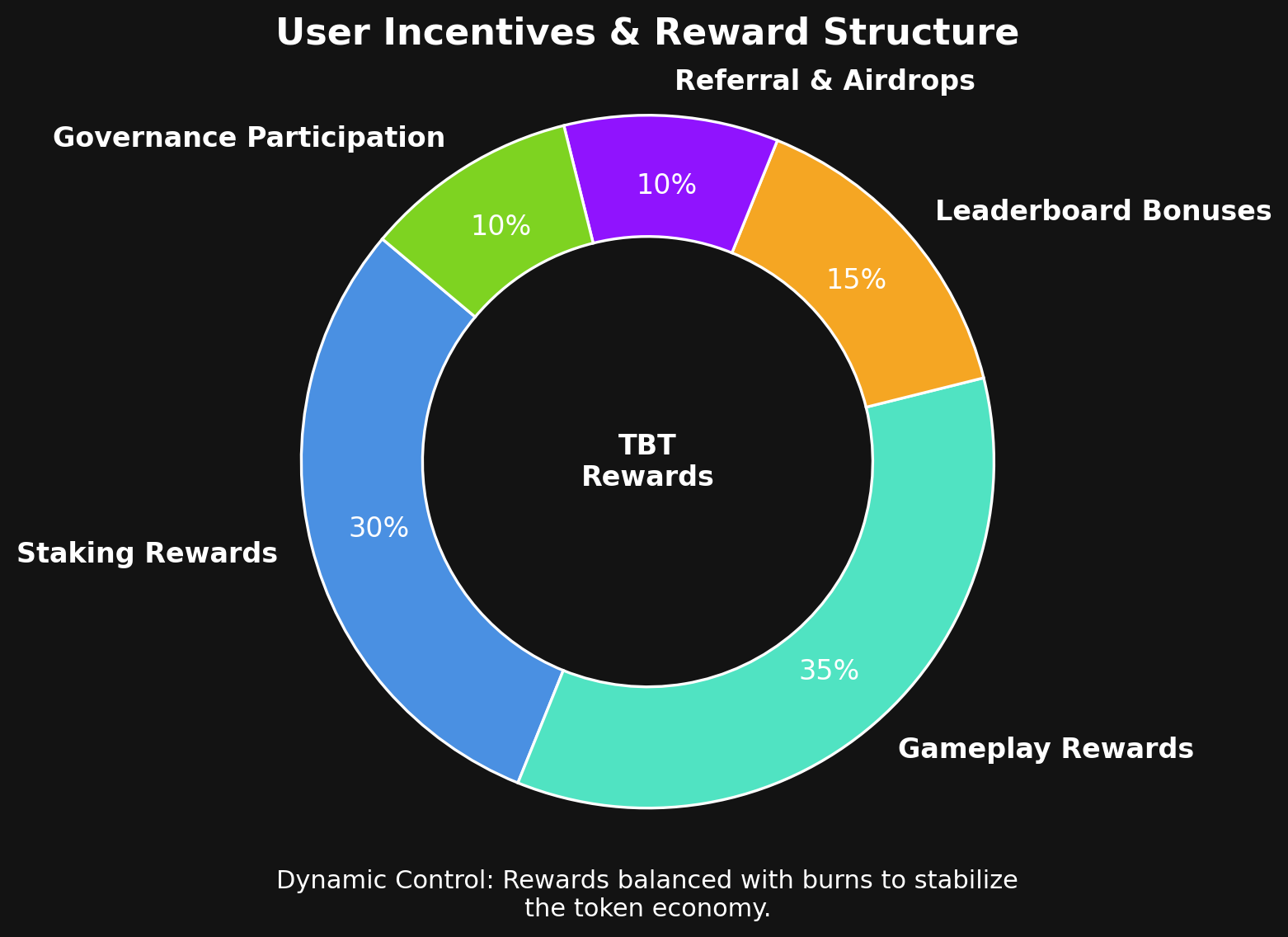
- Staking Rewards: Earn additional TBT by locking tokens.
- Gameplay Rewards: Earn based on performance in duels and tournaments.
- Leaderboard Bonuses: Top players receive extra rewards.
- Referral Programs & Airdrops: Rewards for bringing new users.
- Governance Participation: Minor rewards for voting on proposals.
Dynamic Control: Rewards and staking emissions are balanced against burns to stabilize token economy.
Economic Simulation & Token Velocity
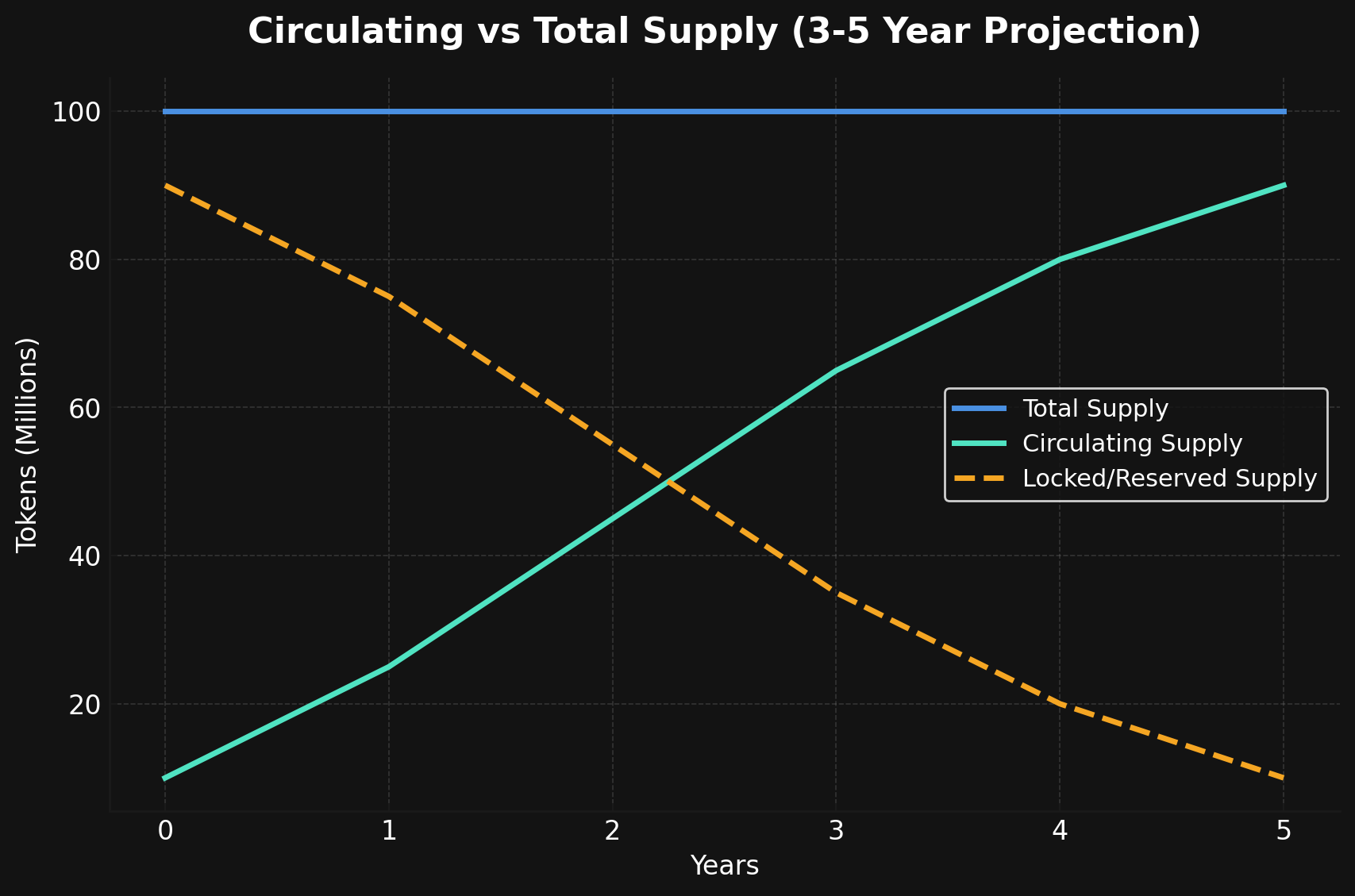
- Circulating vs Total Supply: Modeling token flow over 3–5 years to predict availability and demand.
- Velocity Analysis: Estimate average holding time vs transaction frequency to assess token liquidity.
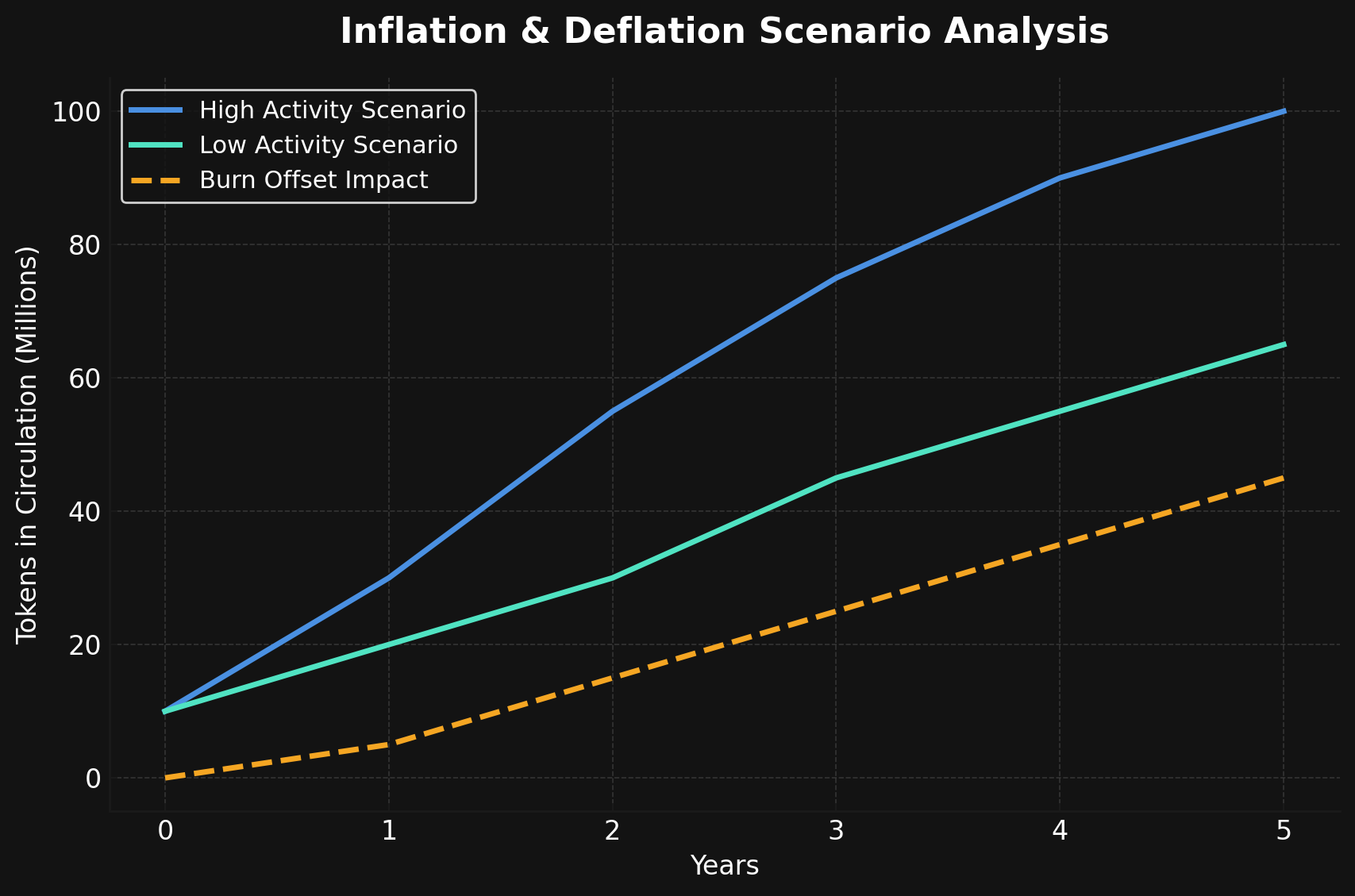
- Burn vs Emission Projection: Charts to visualize how burns offset reward-based emissions over time.
Inflation & Deflation Scenario Analysis
- High Activity Scenario: Increased gameplay and staking may raise token circulation, but burn mechanisms counterbalance to prevent oversupply.
- Low Activity Scenario: Slower distribution reduces inflationary pressure, maintaining scarcity.
- Stress Testing: Simulation of extreme scenarios ensures system resilience and market stability.
Governance Impact
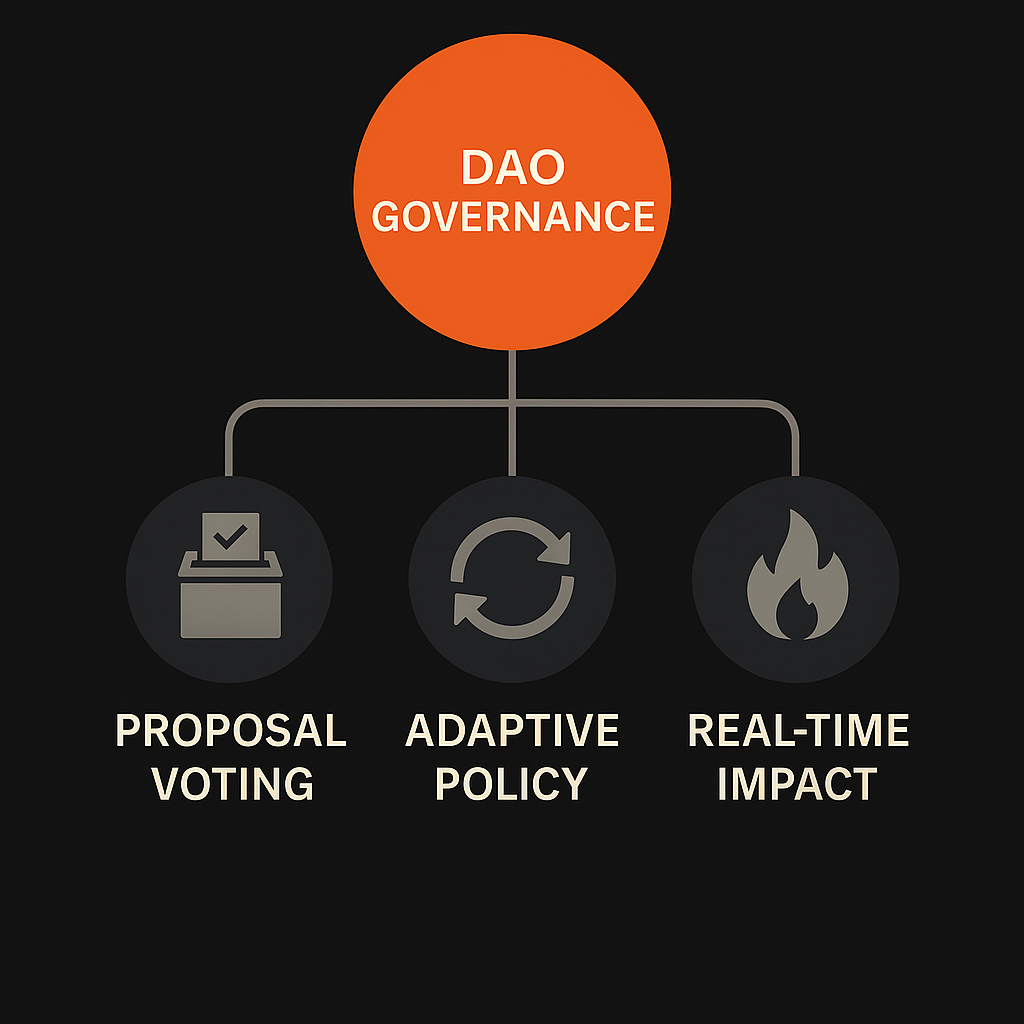
- Proposal Voting: Token holders can propose changes to reward rates, emission schedules, or burn ratios.
- Adaptive Policy: Governance can adjust TBT economic parameters based on real-time ecosystem performance.
- Example: Increasing burn percentage during high activity periods to maintain scarcity and token value.
Liquidity & Market Mechanics
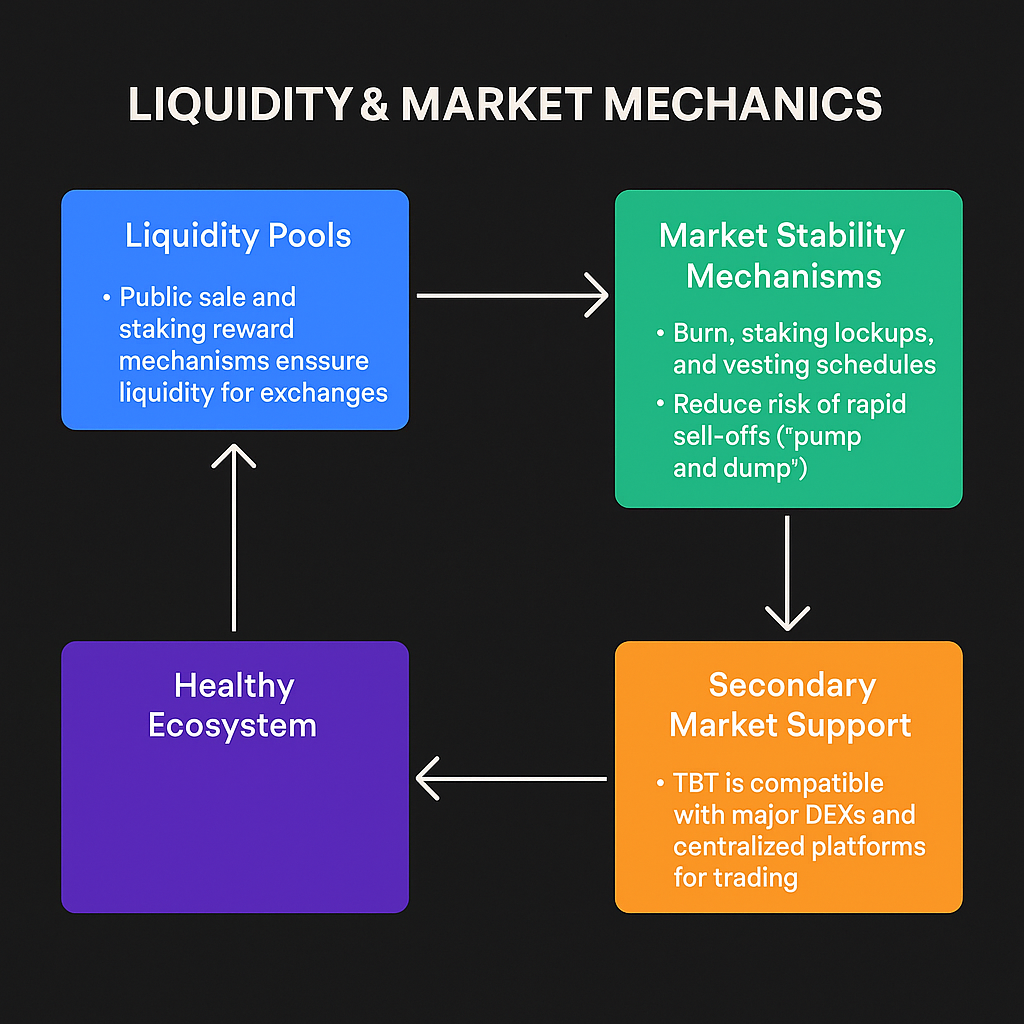
- Liquidity Pools: Public sale and staking reward mechanisms ensure liquidity for exchanges.
- Market Stability Mechanisms: Burn, staking lockups, and vesting schedules reduce risk of rapid sell-offs (“pump and dump”).
- Secondary Market Support: TBT is compatible with major DEXs and centralized platforms for trading.
KPIs & Sustainability Metrics
To monitor ecosystem health, the following metrics are tracked:
| Metric | Purpose |
|---|---|
| Circulation Ratio | % of total supply in active use vs locked/staked |
| Burn Rate | Tokens removed from circulation via fees/losses |
| Staking Participation Rate | % of tokens staked vs total supply |
| Reward-to-Emission Ratio | Balances incentives with inflation |
| Governance Participation | Engagement of holders in ecosystem decisions |
Goal: Maintain a sustainable, self-regulating token economy that balances user incentives, scarcity, and long-term value.