Appendix
This section provides supplementary information, definitions, and technical references to enhance understanding and transparency.
1. Glossary of Terms
- Blockchain: A decentralized, immutable ledger that records transactions across multiple computers.
- Smart Contract: A self-executing code deployed on the blockchain that facilitates, verifies, and enforces agreements without intermediaries.
- Utility Token: A type of token that provides users with access to a product or service within the platform.
- Governance Token: A token that allows holders to vote on decisions affecting the platform’s development and policies.
- Liquidity Pool: A pool of tokens locked in a smart contract to provide liquidity for decentralized trading.
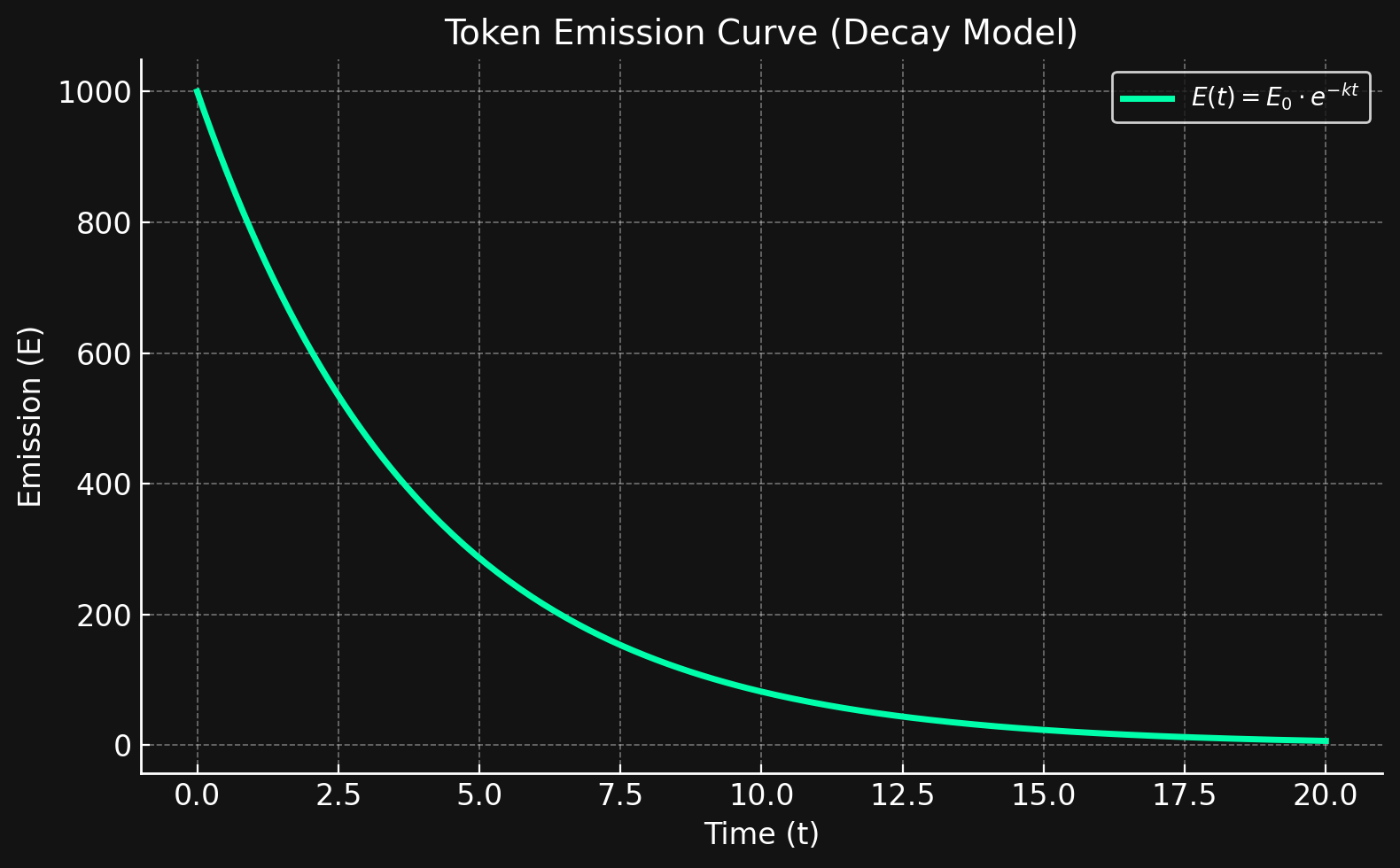
- Emission Curve: The mathematical model that determines how new tokens are minted over time.
- Staking: The act of locking tokens to support network operations and earn rewards.
2. Mathematical Models & Formulas
Token Emission Curve
Where:
- : Token emission at time
- : Initial token supply
- : Decay constant (controls deflation rate)
- : Time in blocks or epochs
Dynamic Reward Adjustment
Where:
- : Reward per user
- : Base reward
- : Number of active users
Deflationary Burn Mechanism
3. Smart Contract Addresses
- Main Network Contracts:
- Token Contract: 0x1234...abcd
- Staking Contract: 0xabcd...5678
- Marketplace Contract: 0x9f8a...4321
All smart contracts are open-source and audited. Links to GitHub repositories are provided in the official documentation.
4. Technical API References
- Base URL: https://api.platformname.com/v1/
- Endpoints:
- GET /market-data → Returns token prices, volume, and liquidity.
- POST /stake → Stakes tokens into the staking pool.
- GET /game-stats → Retrieves leaderboard and player metrics.
- POST /withdraw → Initiates token withdrawal from the platform wallet.
- Authentication:
- Uses OAuth 2.0 for secure API access.
- Rate Limits:
- 100 requests per minute per API key.